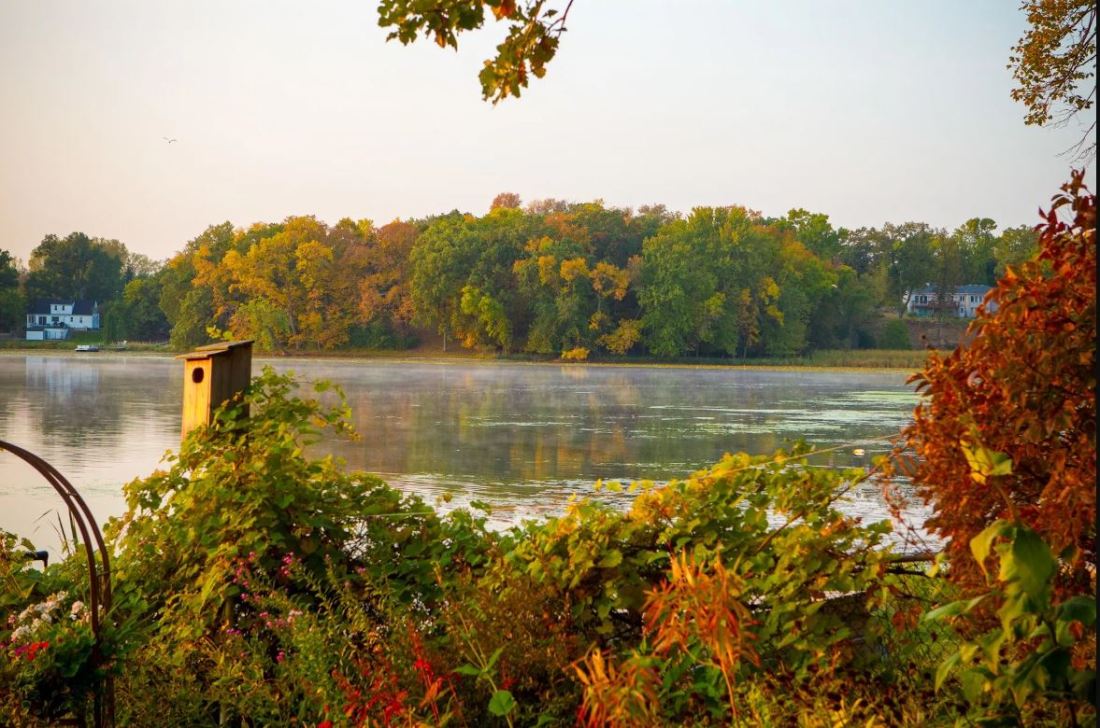
Last week, the Minnesota Pollution Control Agency (MPCA) issued a draft list of impaired waters for 2024. The updated list adds new impairments to 54 lakes, rivers and streams that are no longer meeting water quality standards and removes impairments from 27 water bodies that have been restored to good health.
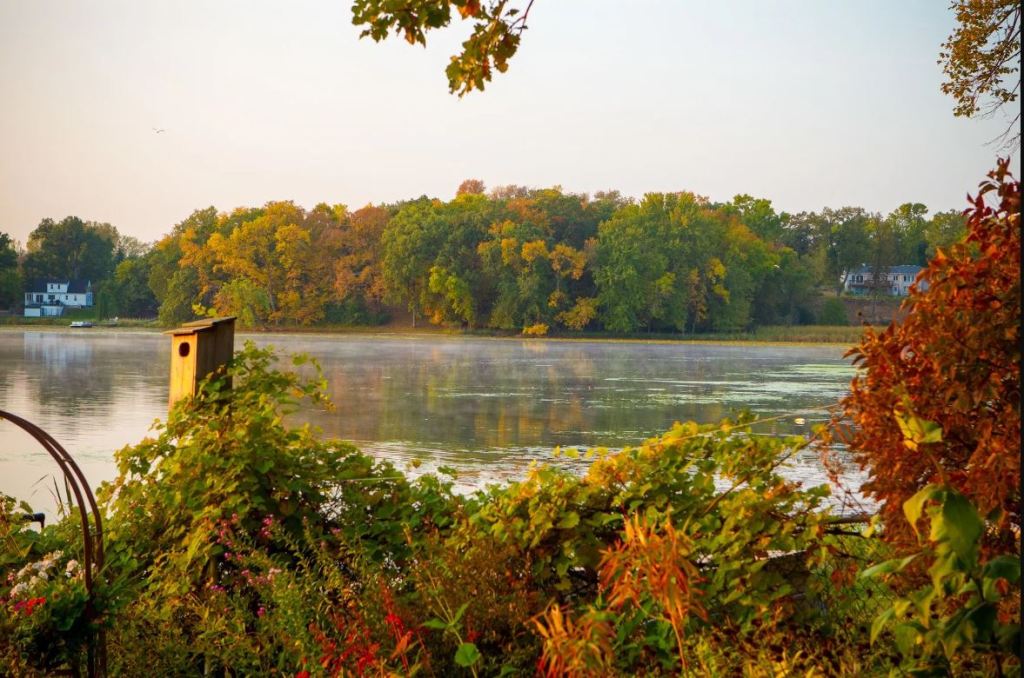

In the Twin Cities east metro, improving lakes that are set to be “de-listed” include Bone Lake – Scandia (Comfort Lake – Forest Lake Watershed District); White Rock Lake – Scandia, Bald Eagle Lake – White Bear Township, and Golden Lake – Circle Pines (Rice Creek Watershed District); La Lake – Woodbury (South Washington Watershed District); and Kohlman Lake – Maplewood (Ramsey-Washington Metro Watershed District). These lakes benefit from more than a decade of watershed restoration work and illustrate the different strategies needed in urban and rural settings.


Kohlman is a shallow, urban lake, located at the north end of the Phalen Chain of Lakes in Maplewood, that was added to the state’s impaired waters list in 2002. It provides exceptional habitat for water birds and is filled with white waterlilies in the summer. Within the densely developed watershed surrounding Kohlman Lake, the Ramsey-Washington Metro Watershed District (RWMWD) identified Maplewood Mall as a key location for reducing stormwater runoff pollution. Between 2008 and 2012, the watershed district completed a multi-phase project that uses tree trenches, raingardens, permeable pavers, and a 5,700-gallon cistern to treat 67% of the stormwater runoff from the mall property. In following years, RWMWD also constructed raingardens at Lakeview Lutheran Church and Redeeming Love Church and partnered with the University of Minnesota to manage invasive carp in Kohlman, Gervais, Keller, and Phalen Lakes.


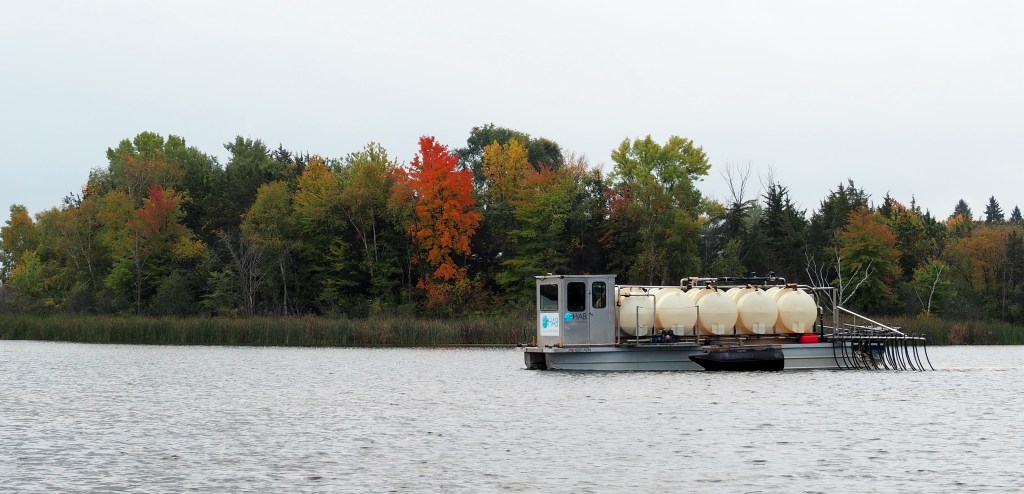
In contrast with Kohlman, Bone Lake is located in a rural setting in Scandia, surrounded by farms and open space. It is a popular destination for fishing and boating that once had a reputation as a “Grade F” lake. It has been on the state’s impaired waters list since 2004. The Comfort Lake – Forest Lake Watershed District (CLFLWD) spent several years conducting diagnostic monitoring in the Bone Lake watershed before executing a multi-year water quality improvement effort that included wetland restoration, invasive carp management, and pollution reduction projects at nearby farms. Importantly, the CLFLWD also worked to reduce nutrients in Moody Lake, a small lake located upstream, which previously contributed large amounts of phosphorus to Bone Lake.
The Minnesota Clean Water Fund, created by a voter-approved constitutional amendment in 2008, played a significant role in the delisting of both Kohlman and Bone Lakes. Since 2010, the Fund has dispersed $1.36 billion statewide to support watershed protection and restoration efforts, including numerous projects in the Twin Cities east metro.
New water quality impairments in our area include Clear Lake in Forest Lake (declining fish biodiversity); Fish and Bailey Lake in Woodbury (excess nutrients); Battle Creek in Maplewood-St. Paul (total suspended solids and E. coli), Hardwood Creek in Hugo-Lino Lakes (declining macroinvertebrate diversity); Fish Creek in Maplewood-St. Paul, which outlets from Carver Lake (total suspended solids and declining macroinvertebrate diversity); and the creek that flows out of Cottage Grove Ravine Regional Park (ammonia).

 East Metro Water